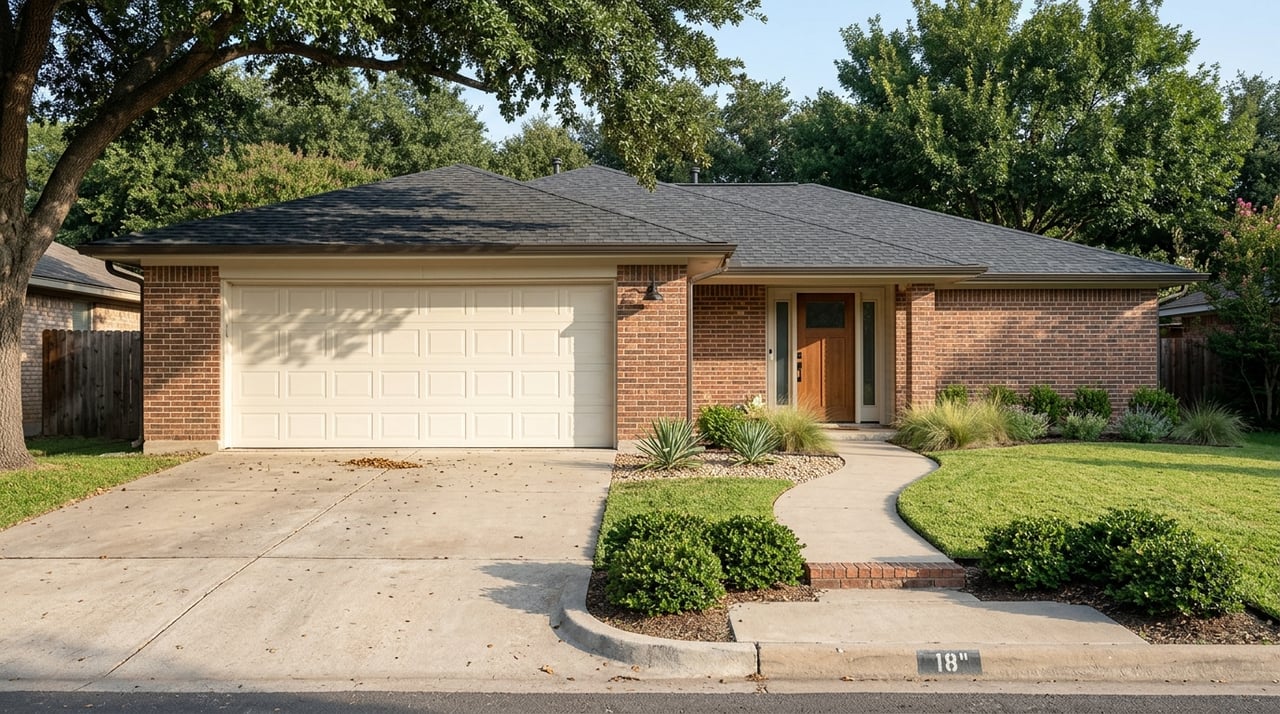
Wondering if you can buy a home in West without stretching your budget too far? If you want small-town living with a practical drive to work, West can make a lot of sense, especially if Waco is your main job hub. The key is knowing where West fits on the affordability map, what tradeoffs come with an older housing stock, and which loan options may help you get in the door. Let’s dive in.
Why West Works for Commuters
West is a small McLennan County market with an estimated 2,571 residents and 971 housing units. That smaller size gives you a very different experience than a larger city market, with fewer homes overall and a more limited inventory to choose from. If you like the idea of a smaller community but still need access to regional jobs, West can be a practical middle ground.
For most buyers, Waco is the most realistic daily commute. West is about 21 driving miles from Waco, while Dallas is about 77 miles away. That means West may suit Waco-based workers well, while Dallas commuters may find it better for hybrid schedules or occasional office trips.
West is also a strongly car-dependent market. The median commute time is 24.7 minutes, 77.6% of workers drive alone, and public transit use is reported at 0%. If you are shopping in West, it helps to plan your home search around your actual drive patterns, gas costs, and how often you need to be on the road.
Why West Can Be Budget-Friendly
One of the biggest draws for budget-conscious buyers is that West appears to be a lower-cost pocket within the broader county. The estimated median home value in West is $164,700, which is below the Texas statewide median owner-occupied value of $283,800. That gap can make West worth a closer look if you are priced out elsewhere.
The comparison also holds up when you look at broader county market trackers. Recent reports place McLennan County in the mid-$200,000s, with Zillow reporting a county home value of $264,170 and Redfin reporting a median sale price of $284,000. These are not identical measurements, but directionally they suggest West may offer a more accessible entry point than many nearby areas.
Rent costs add context too. West has an estimated median gross rent of $929, compared with a statewide median gross rent of $1,403. If you are deciding whether to keep renting or start buying, those numbers can help you think through your next move.
What West Housing Looks Like
West housing is dominated by single-family detached homes, which make up 86.3% of the housing stock. Smaller shares include 2 to 4 unit buildings at 4.1%, buildings with 20 or more units at 1.8%, and mobile homes at 0.4%. In simple terms, if you are looking in West, you are most likely shopping for a traditional house rather than a large apartment-style or condo-style option.
The age of the housing stock matters too. About 27.4% of homes in West were built before 1940, while only 10.6% were built in 2010 or later. For you as a buyer, that can mean the sticker price is only part of the story.
Older homes can offer charm and value, but they may also call for a closer look at condition, updates, and repair planning. That does not mean every older home will need major work. It does mean you should leave room in your budget for inspections, possible maintenance, and a reserve fund after closing.
Budget Beyond the Sale Price
A commuter-friendly budget is not just about the mortgage payment. In West, you also need to think about transportation costs, property taxes, and the likely upkeep that can come with an older home. A house that looks affordable at first glance can feel different once those costs are added in.
For local property taxes, the City of West's 2024 no-new-revenue tax rate was $0.565208 per $100 of taxable value, and its voter-approval rate was $0.781033 per $100. Tax bills depend on more than one factor, but city tax rates should still be part of your planning. If you want a realistic monthly budget, it helps to estimate taxes early instead of treating them as an afterthought.
You should also think through your commute in real dollars. West's car-dependent setup means your monthly fuel, vehicle maintenance, and drive time are part of your housing decision. A lower home price can still be a smart move, but it is best to compare total living costs, not just the list price.
Loan Options That May Help
If your goal is to buy with less cash upfront, West may be worth a close look because some financing paths can fit smaller budgets. The right fit depends on your income, credit profile, property type, and the address you choose. That is why it helps to review options early before you narrow in on one home.
USDA loans in West
Because West is a small-town market, USDA financing may be worth exploring. USDA Rural Development says qualifying borrowers may be able to buy or build with no money down in eligible rural areas. Income and property rules apply, and final property eligibility is determined by Rural Development on a complete application.
The important part is not to assume every property will qualify automatically. In a market like West, eligibility should be checked by exact address. If you are trying to keep your upfront costs low, this can be one of the first options to discuss.
FHA loans for lower down payments
FHA financing can be a strong fallback when you need a lower down payment but the property or buyer profile does not line up for USDA. HUD states that FHA down payments can be as low as 3.5% of the purchase price. The program is available on 1 to 4 unit properties.
For many first-time or budget-sensitive buyers, that lower entry point can open up more possibilities. You still need to qualify, but FHA can be a practical option if saving a large down payment feels like the biggest hurdle.
Conventional low-down-payment options
Some conventional loans can also work well for buyers trying to keep upfront costs manageable. Fannie Mae's HomeReady mortgage allows down payments as low as 3% for borrowers with lower or nontraditional incomes. Freddie Mac's Home Possible also offers a 3% down option with flexible funding sources.
HomeReady also notes that mortgage insurance can be canceled once equity reaches 20%. Depending on your finances and long-term goals, a low-down-payment conventional loan may give you another path to homeownership in West without requiring a huge cash reserve.
West vs Waco for Budget Buyers
If you are deciding between West and Waco, the biggest difference is scale. Waco has 62,409 housing units, while West has 971. That larger inventory in Waco can mean more choices, but it may also come with higher competition or pricing in some segments.
West, on the other hand, may appeal to buyers who want a smaller market and a lower-cost pocket within the region. The tradeoff is that fewer homes usually means fewer chances to find the exact layout, age, or price point you want at any given time. A patient search can matter just as much as your financing plan.
For many buyers, the choice comes down to priorities. If you want easier access to a larger employer base and more housing options, Waco may feel more convenient. If you want to stay within a tighter budget and do not mind a drive, West can be a smart place to focus.
Smart Tips for Buying in West
Buying on a commuter-friendly budget works best when you plan for the whole picture. A low price is helpful, but value comes from matching the home, the location, and your monthly costs to your real life.
Here are a few practical ways to shop smarter in West:
- Get pre-approved before you start looking so you know your true monthly range.
- Ask about USDA, FHA, and 3% down conventional options early.
- Budget for inspections and possible repairs, especially with older homes.
- Compare your expected commute costs along with mortgage, taxes, and insurance.
- Be ready for limited inventory, since West is a much smaller market than Waco.
- Focus on overall fit rather than chasing the absolute lowest list price.
Why Local Guidance Matters
In a small-town market, details matter. Two homes with similar prices can feel very different once you compare condition, updates, commute patterns, and total monthly cost. That is especially true in West, where older housing stock and limited inventory can change the value equation quickly.
Having a local team in your corner can help you weigh those tradeoffs with more confidence. If you want help comparing West to nearby areas, understanding commuter-friendly options, or finding a home that fits your financing goals, Katie Miller REAL is here to help.
FAQs
Is West, Texas a good place for a Waco commuter?
- West is about 21 driving miles from Waco, which makes it a realistic option for many daily commuters who want a smaller-town market.
Is West, Texas affordable compared with other areas?
- West appears more affordable than many nearby benchmarks, with an estimated median home value of $164,700 compared with higher county and statewide figures.
What kind of homes are common in West, Texas?
- Most housing in West is single-family detached homes, which make up 86.3% of the local housing stock.
Are older homes common in West, Texas?
- Yes. About 27.4% of homes in West were built before 1940, so condition and repair planning can be important parts of your budget.
Can buyers use USDA loans in West, Texas?
- Possibly. USDA says qualifying borrowers may be able to buy with no money down in eligible rural areas, but eligibility depends on both the borrower and the specific property address.
What low-down-payment options can help buyers in West, Texas?
- FHA loans may allow down payments as low as 3.5%, and some conventional options like HomeReady and Home Possible allow 3% down for eligible borrowers.
